Why Ignition Protection is Essential for Marine Electrical Systems
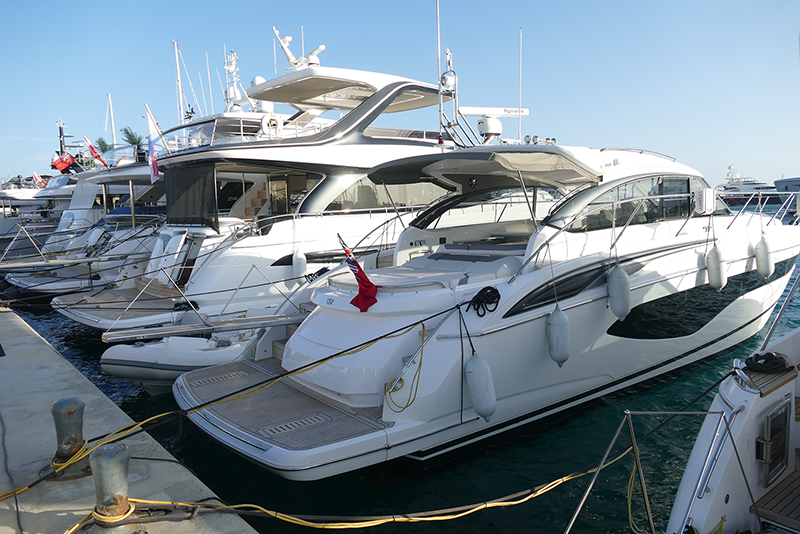
When it comes to marine safety, one of the most critical concerns is fire prevention. In the enclosed and confined spaces of a boat, flammable vapors - especially from gasoline - can accumulate quickly and ignite with even a small spark. That’s why ignition-protected components are so important. From a marine fuse block to other electrical devices, using ignition-protected equipment in key locations significantly reduces the risk of fire or explosion.
In addition to being a best practice, the use of ignition-protected devices is a regulatory requirement under U.S. Coast Guard regulation 33 CFR 183.410. Understanding what ignition protection means and where these devices must be installed is essential for compliance and safety on board.
What Is Ignition Protection?
Ignition protection means that an electrical device is designed and tested to prevent the ignition of surrounding flammable gases—even if the device malfunctions or experiences an internal spark. This is particularly important in marine environments, where fuel vapors from gasoline or propane can collect in bilge areas or engine compartments.
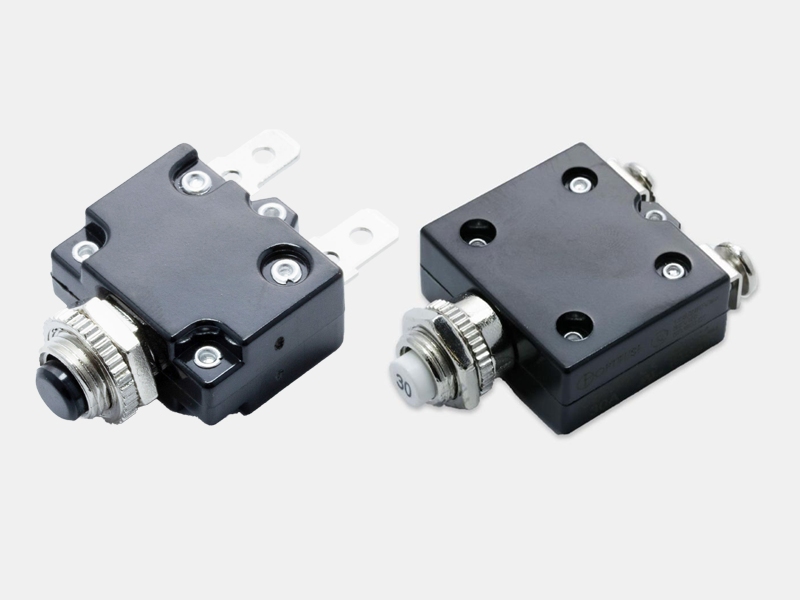
Ignition-protected marine electrical components—including marine fuse blocks and marine circuit breakers—are engineered to:
- Prevent any internal ignition from igniting external flammable gases
- Be constructed from materials that won’t reach ignition temperatures under normal or fault conditions
This means that regardless of what happens inside the component, it won’t produce a spark or flame that could ignite nearby vapors.
How Are Ignition-Protected Devices Certified?
To ensure compliance, ignition-protected devices are tested and certified to the following recognized standards:
- UL 1500 – Ignition Protection for Marine Products
- SAE J1171 – External Ignition Protection of Marine Electrical Devices
- ISO 8846 – Small Craft – Protection Against Ignition of Surrounding Flammable Gases
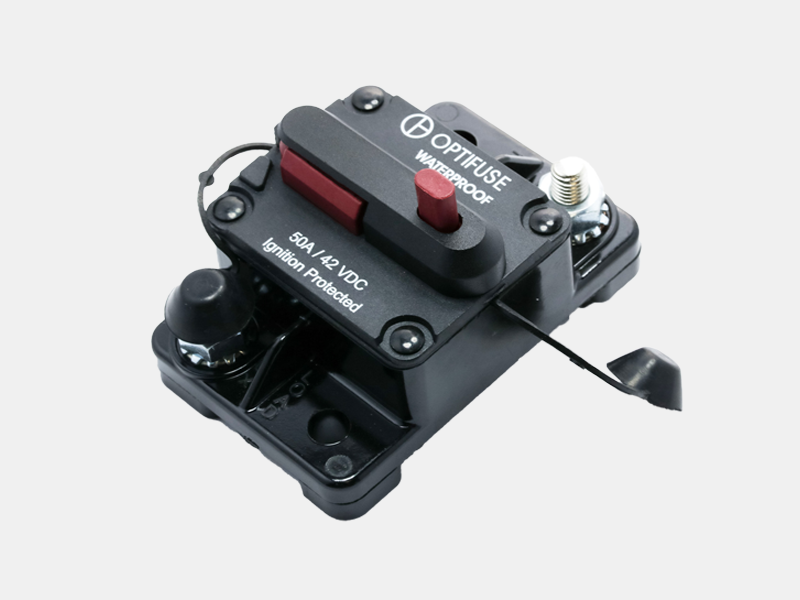
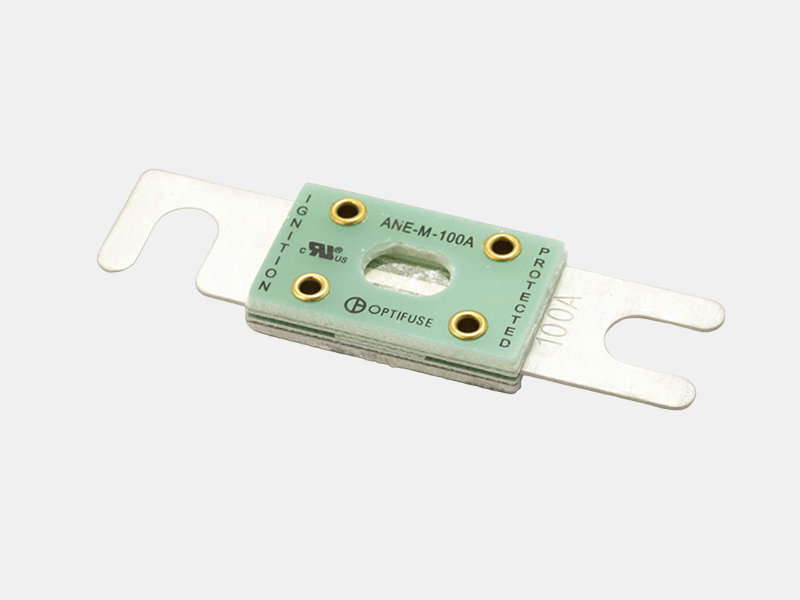
Certified components will be clearly marked with “Ignition Protected” on the housing or product label. If a device does not display an “Ignition Protected” marking and is located in a space that requires one, consult a technical expert and replace it with a compliant component.
To see the full range of ignition-protected products built specifically for marine environments, check out our Marine Focus Product Guide. It features all the components you need to build a compliant, safe, and reliable marine electrical system.

Where Must Ignition-Protected Devices Be Installed?
Ignition-protected devices are required in any space where flammable vapors may accumulate and where electrical components could act as a potential ignition source. These include:
- Engine compartments, particularly on gasoline-powered boats
- Bilge areas and other enclosed spaces near a fuel source
- Areas near fuel tanks, fuel lines, or propane bottles
- Compartments with battery banks, especially where hydrogen gas could collect
For a comprehensive list of locations and installation requirements, consult:
- 33 CFR 183.410 (U.S. Coast Guard Regulations)
- ABYC E-11.4.15 and E-11.5.3 (American Boat and Yacht Council Standards)
Choose Certified Marine Fuses and Circuit Breakers
Installing non-compliant components in ignition-sensitive areas isn’t just a safety hazard; it could also void your insurance policy and violate federal regulations. Every electrical component installed near fuel or vapor sources must meet ignition protection standards.
Before selecting components for your boat’s electrical system, always confirm that the product is tested and marked as Ignition Protected.
For complete guidance on selecting the right marine fuses and circuit breakers, see our Fuse Selection Guide for complete context.
About the Author
Samuel Kenny, Product Manager at OptiFuse, leads the development of advanced circuit protection products for automotive, marine, and industrial sectors. He designs custom solutions and shares expert fuse selection tips on the OptiFuse Blog.